
Have you noticed that many heat exchange stations inevitably suffer from high energy consumption after operating for a period of time? Especially during winter heating, surging energy consumption caused by high heating demand and heavy system load directly brings enormous cost pressure. Have you ever felt down in the dumps as the numbers on your electricity bills keep rising? Don’t worry! Today, we’ll talk about how to help heat exchange stations cut energy consumption and achieve a "comeback" in energy conservation and emission reduction by selecting and using plate heat exchangers properly.
You read that right. Plate heat exchangers are not just excellent tools for heat transfer; they can also play a huge role in energy saving and consumption reduction. So, how exactly do plate heat exchangers help heat exchange stations "save electricity and trouble"? Let’s find out!
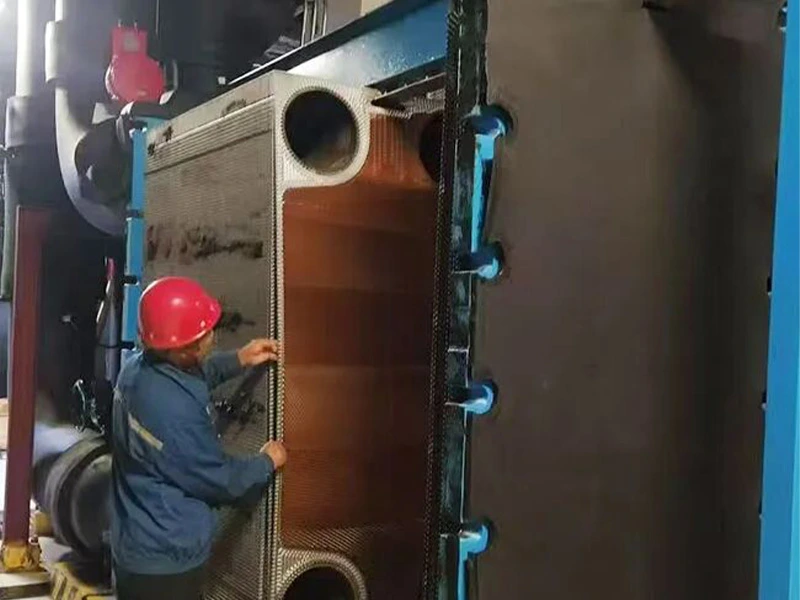
I. Improve Heat Exchange Efficiency and Reduce Heat Loss
First and foremost, we must mention the heat exchange efficiency of plate heat exchangers. They can efficiently transfer heat from the heat source to the heated medium, thereby improving the overall operational efficiency of the heat exchange station. When you choose the right plate heat exchanger, heat loss during the heat exchange process will be significantly reduced, and heat transfer efficiency will be greatly improved, which in turn eases the burden on heat sources and pump stations.
1. High-Efficiency Heat Exchange Design: Cut Unnecessary Heat Loss
The design of plate heat exchangers, with an optimized layout of high-efficiency heat exchange plates, enables fluids to conduct heat exchange along the shortest path. Compared with traditional shell-and-tube heat exchangers, plate heat exchangers have a larger heat exchange area and a higher heat transfer coefficient, allowing for faster and more efficient heat transfer. This means that under the same heat load, the heat exchanger can supply heat with less energy, thus reducing energy consumption.
2. Low Temperature Difference Operation: Maximize Heat Utilization
The low temperature difference operation characteristic of plate heat exchangers allows them to effectively utilize the heat provided by small temperature differences during the heat exchange process. Through rational temperature difference management, plate heat exchangers ensure more sufficient heat transfer inside the system, reduce overheating, and cut additional energy consumption.
II. Optimize System Load and Avoid Energy Waste
Unpredictable load fluctuations have always been a major challenge in the management of heat exchange stations. Excessively high system load forces heat exchangers and boilers to operate at full capacity, leading to energy waste; while excessively low load results in inefficient equipment operation and extra energy consumption. With their outstanding flexibility and adaptability, plate heat exchangers can automatically adjust their working status according to system load, thus avoiding energy waste.
1. Flexibly Adapt to Load Fluctuations and Narrow Peak-Valley Differences
Heating demand of heat exchange stations often shows obvious peak-valley differences, especially with significant fluctuations in heat load across different seasons and time periods. Plate heat exchangers can flexibly adapt to varying load demands through the adjustment of their internal structure. For example, when the load is low, the system can reduce the flow rate and velocity of the plate heat exchanger to avoid excessive energy waste; during peak load periods, the heat exchange efficiency of the exchanger can be fully utilized to meet large-scale heating demand and maximize energy-saving effects.
2. Maintain Stable System Operation and Avoid Frequent Start-Stop
Frequent system start-stop not only increases equipment wear but also easily leads to energy waste. The optimized design of plate heat exchangers enables heat exchange stations to maintain a more stable operational state and reduce energy waste caused by frequent start-stop. Through rational fluid distribution and temperature control systems, heat exchange stations can respond to load changes more smoothly and cut unnecessary energy consumption.
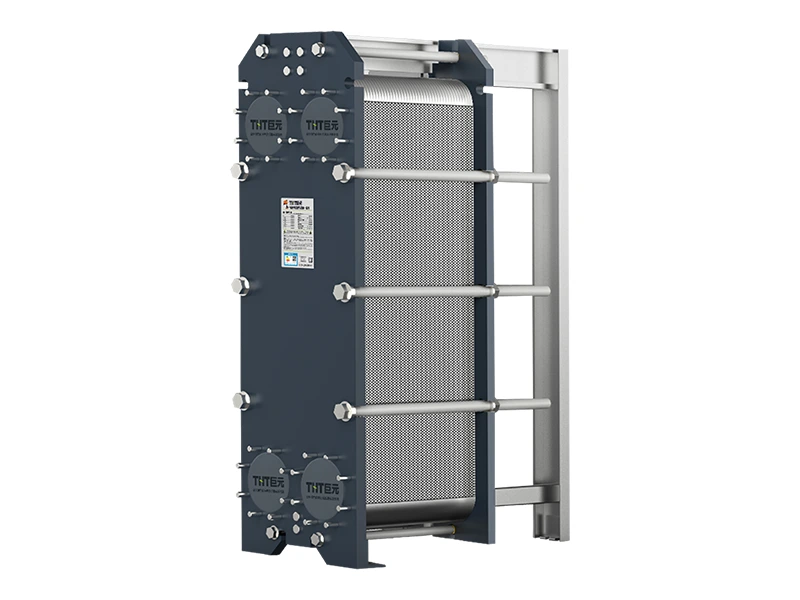
III. Reduce Energy Consumption of Pump Stations and Heat Sources
By improving heat exchange efficiency and optimizing system load, plate heat exchangers ultimately help reduce energy consumption of pump stations and heat sources. This is because the more efficient heat transfer method reduces the need for overheating the supply water, lowers the power consumption for fluid pumping, and thus significantly eases the burden on heat sources and pump stations.
1. Cut Pump Station Energy Consumption: Reduce Water Flow Resistance
The flow channels in the design of plate heat exchangers are more compact, which can greatly reduce water flow resistance compared with other types of heat exchangers. When water flows through a plate heat exchanger, the flow is smoother, and the power required for the system’s water pumps to operate is reduced. In short, the energy consumption of pump stations is lowered, and the overall energy efficiency of the system is improved.
2. Boost Heat Source Energy Efficiency: Reduce Overheating
Heat sources in heating systems usually need to be heated to a relatively high temperature, but plate heat exchangers can complete heat transfer at a lower temperature through more efficient heat exchange, reducing the need for overheating the heat source. This not only cuts the energy consumption of boilers but also avoids energy waste caused by excessively high temperatures.
IV. Regular Maintenance and Intelligent Control for Long-Term Energy Conservation
Energy saving and consumption reduction rely not only on "hardware" but also on refined management and regular maintenance. Plate heat exchangers have a unique advantage in this regard. Regular cleaning and maintenance ensure the long-term high-efficiency operation of the equipment; coupled with the integration of an intelligent control system, the system status can be adjusted in real time, and temperature and flow can be precisely controlled, thereby achieving the optimal energy-saving effect.
1. Regular Cleaning to Remove Scale and Impurities
Scale and impurities can affect the heat exchange efficiency of plate heat exchangers, so regular cleaning is the key to ensuring their high-efficiency operation. After scale removal, the heat transfer capacity of the exchanger is restored, allowing heat to transfer more smoothly and avoiding additional energy consumption caused by increased resistance.
2. Intelligent Control for Real-Time System Operation Monitoring
With the help of modern intelligent control technology, plate heat exchangers can be dynamically adjusted based on real-time operational data. The system can not only automatically adjust temperature and flow according to the actual load but also predict and optimize system load through big data analysis, further reducing energy consumption.
V. Conclusion: Plate Heat Exchangers Empower Heat Exchange Stations in Energy Saving and Consumption Reduction
In summary, plate heat exchangers, with their excellent heat exchange performance, flexible adjustment functions, superior hydraulic design and efficient energy transfer, have become key equipment for reducing energy consumption in heat exchange stations. From improving heat exchange efficiency and optimizing system load, to cutting energy consumption of pump stations and heat sources, and then to regular maintenance and intelligent control, plate heat exchangers can comprehensively improve the energy utilization rate of heat exchange stations and reduce unnecessary energy waste.
Against the backdrop of increasing pressure on environmental protection and energy conservation, the ability of heat exchange stations to effectively reduce energy consumption is directly related to their operational costs and market competitiveness. Plate heat exchangers are precisely the powerful assistant that helps heat exchange stations achieve energy saving and consumption reduction. If you are looking for a solution to improve the efficiency of heat exchange stations and lower operational costs, you may consider giving full play to the maximum advantages of plate heat exchangers through rational selection and optimized use, allowing heat exchange stations to "march steadily" on the road of energy conservation!
 ZIBO BOAS
Room 811, 8th Floor, Block A Tianfu International Building, No.186 Xincun Road, Zhangdian District, Zibo City, Shandong Province, China
Rose Zhao

Copyright © 2025 by Zibo BOAS Industrial Technology Co.,Ltd All Rights Reserved
Privacy Policy